Se você encontrar uma centopéia em casa, aqui está o que ela significa...
Dicas 22/10/2025 23:31
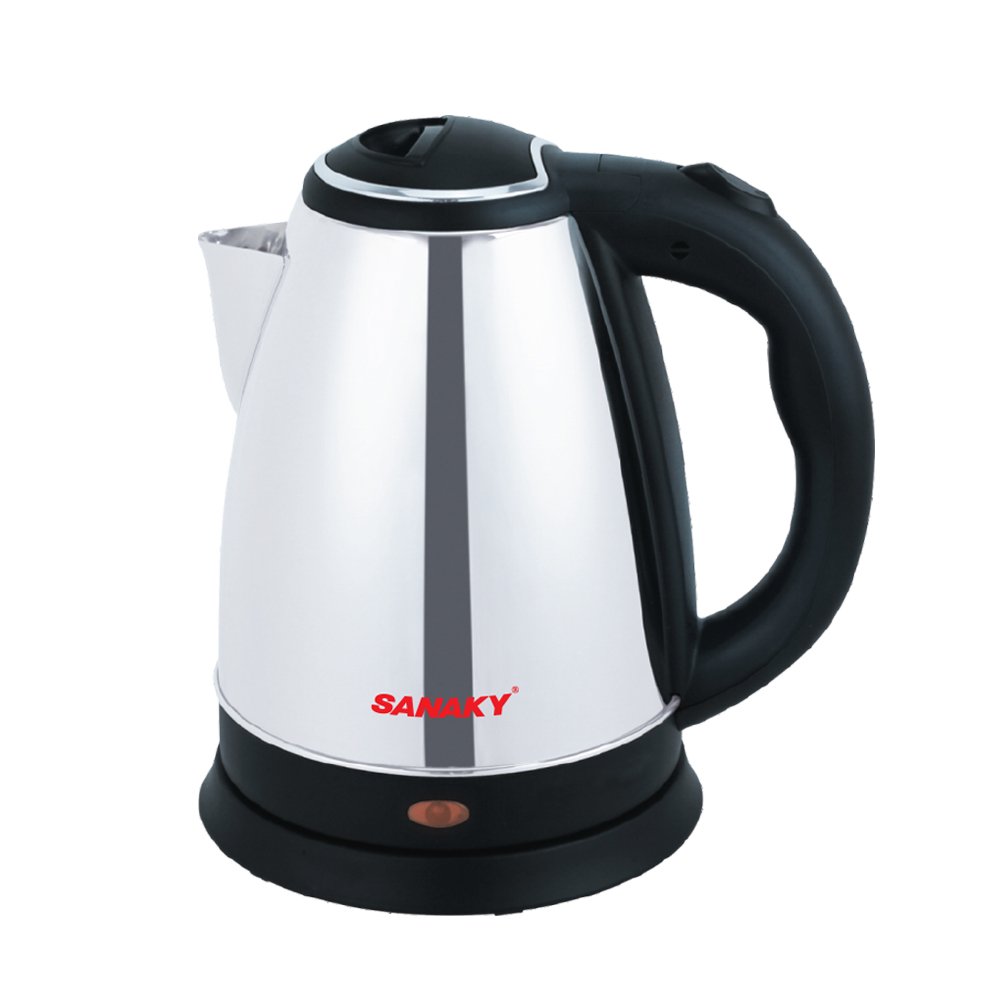
The most common mistake is misusing or neglecting the kettle — especially overfilling it, running it dry, and ignoring limescale / damage.
Those mistakes cause safety risks, shorten the appliance’s life, reduce efficiency, and can make your water taste or smell off.
What: Filling above the “max” line (or right to the top).
Why bad: Boiling water will splash or spray out of the spout (steam + hot water burns). It puts extra stress on the auto-shutoff mechanism and can leak onto the base, damaging electronics.
What: Switching the kettle on with too little or no water.
Why bad: The heating element gets extremely hot without water to absorb heat, which can warp or burn the element, trip safety cutouts, or (on cheap units) cause a fire hazard.
What: Never descaling or cleaning the inside.
Why bad: Limescale reduces heating efficiency (takes longer, uses more energy), can trap mineral residue that affects taste, and in extreme cases can cause element failure.
What: Using a kettle with a frayed cord, loose plug, or cracked base.
Why bad: Exposed wires or poor connections increase the risk of electric shock or short circuits.
What: Placing the kettle where it can tip, or where crumbs and liquids get into the base.
Why bad: Spills can reach the electrical contacts, causing faults; tipping causes scalding.
Why bad: Steam can cause severe burns; hot water can splash.
What: Leaving standing water in the kettle for days.
Why bad: Water can go stale, promote mineral deposits or bacterial growth in rare cases; empty and dry if unused for long.
Fill only to the required volume (use the min/max marks). Don’t overfill.
Use cold, fresh water from the tap (or filtered water if preferred).
Close the lid securely before switching on.
Place on a flat, dry surface and keep cord away from edges.
Stand back when it’s boiling and don’t open the lid until it has cooled a bit.
Pour slowly — handle the kettle firmly to avoid splashing.
Turn off/unplug after use if you prefer the extra safety margin (see below).
Empty if you won’t use it for a while
(or if water tastes stale).How often: Descale every 1–3 months depending on water hardness and how often you use it. If you see white scale inside, clean it.
Simple descaling method: Fill with a solution of equal parts water and white vinegar (or lemon juice) to cover the element; boil, let sit 20–30 minutes, empty, rinse thoroughly and boil fresh water once or twice to remove taste. Commercial descalers are also fine if used per instructions.
Wipe exterior with a damp cloth; never immerse the base or plug in water.
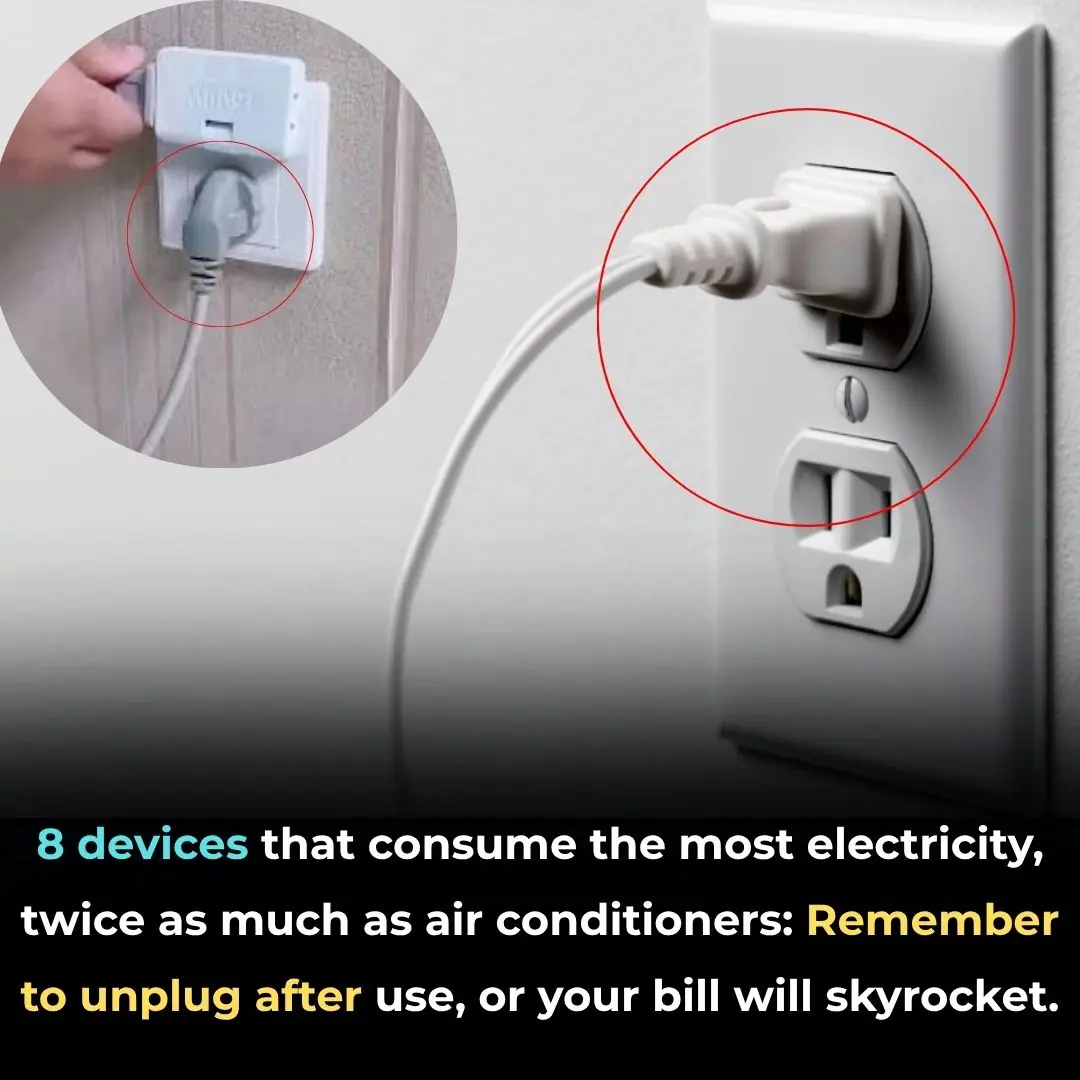
It’s usually safe to leave a modern electric kettle plugged in
if it’s in good condition and has an automatic cut-off. But unplugging is the safer option and recommended in certain circumstances.Most modern kettles have automatic shut-off and boil-dry protection, so after boiling they switch off and draw minimal standby power.
Convenience: you can switch it on without unplugging.
Safety margin: Unplugging eliminates any risk from a faulty switch or a damaged kettle that might fail while unattended.
Power surges / storms: During electrical storms or prolonged absence (vacation), unplug to protect the appliance against surges.
If the kettle is older or damaged: Unplug it when not in use; replace if you see frayed wires or unreliable switching.
Energy saving: Standby draw is usually small for kettles, but if you prefer zero standby consumption, unplugging or using a switched socket/power strip helps.
Children/pets: Unplugging reduces the chance of accidents if curious hands or paws activate it.
Leave it plugged during regular daily use if it’s a modern, well-maintained kettle and you prefer convenience.
Unplug at night, when you leave home, during storms, or if you spot any damage.

The kettle repeatedly trips the RCD/fuse, emits burning smell, leaks, the heating element is exposed/corrodes, the auto-shutoff fails, or the cord/base is damaged — replace it immediately. Don’t attempt to repair the high-voltage internals yourself.
Use a dedicated outlet (avoid long extension cords for kettles).
Keep kettle and cord away from edge so it cannot be pulled or knocked down.
Install RCD/GFCI protection in kitchen areas if not already present — this helps prevent fatal shocks.
Supervise children if they use or are near the kettle.
If your model has a removable base, ensure the contacts are dry before replacing the kettle on the base.
Kettle won’t boil: check power, check base connection, clean limescale.
Kettle clicks but won’t heat: element may be faulty — stop using and replace.
Boil-dry cut-off triggered often: likely limescale or sensor fault — descale or seek replacement.
Most dangerous mistakes: overfilling, boiling dry, ignoring limescale, using a damaged appliance.
Best practice: fill between min–max, keep it clean, use on flat dry surface, pour carefully, and unplug when you want maximum safety (during storms, when leaving home, or if the kettle is old/damaged). Leaving a modern, well-maintained kettle plugged in is convenient and generally safe, but unplugging gives you zero-risk standby and is a good habit.

It’s been 27 years since I opened my door and found my month-old nephew there.
I convinced my husband to keep him, and we raised him as our own son.
Recently, he came to visit from Manhattan — now a successful lawyer.
During dinner, we talked about his career, and as always, I felt proud.
But deep down, I knew he treated me with respect, not love.
He never called me “Mom,” and I understood why, but it still hurt.
Then there was a knock at the door.
To my shock, it was my brother — someone I hadn’t seen in 27 years.
My nephew recognized him from old photos.
My brother pointed at me and said, “Son, I had no choice! If I hadn’t left you, you wouldn’t have survived. And it’s all her fault!”
My nephew’s reaction? It left me speechless.
My nephew’s face went pale, his jaw tightening as his eyes darted between me and my brother.
“What do you mean, her fault?” he asked, his voice low but shaking.
My brother’s expression twisted — a mix of anger, guilt, and something I couldn’t name. “She told me I wasn’t fit to raise you. She made me leave you behind!”
“That’s not true,” I said, my own voice breaking. “You were… you were strung out, living in your car. I begged you to get help, but you disappeared. I never stopped protecting him.”
My nephew leaned back in his chair, the lawyer in him already dissecting the words, the timelines, the motives.
He looked at my brother. “Where have you been for 27 years?”
“I was trying to get my life together,” my brother said, eyes glassy. “And when I was finally ready, she kept you from me.”
“That’s a lie,” I snapped, tears welling. “You never called, never wrote. You didn’t want him until now.”
The silence was suffocating. My nephew’s gaze locked onto mine — searching, almost desperate — and for a moment I thought he’d ask me to leave the table.
But instead, he stood, walked over to my brother, and said in a steady voice:
“You may be my father by blood… but you gave me nothing. She gave me everything. And I choose her.”
My brother’s face crumpled. I felt my knees weaken, relief and grief tangling inside me.
My nephew turned to me, his voice soft for the first time that night.
“Mom,” he said.
And that single word was worth the 27 years I’d waited to hear it.